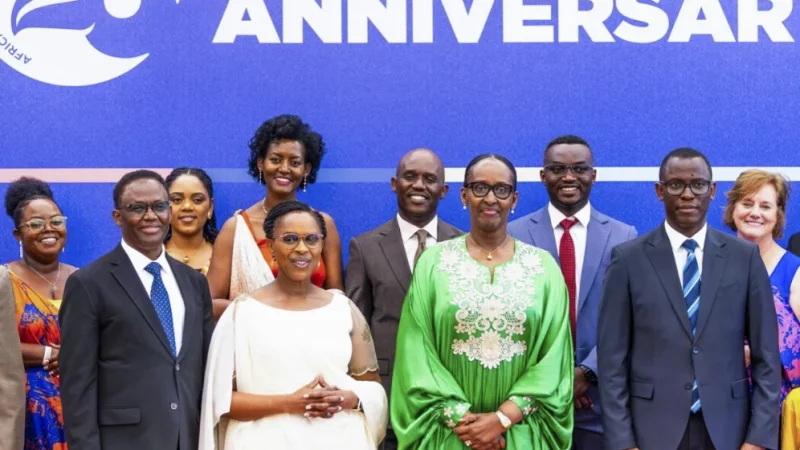


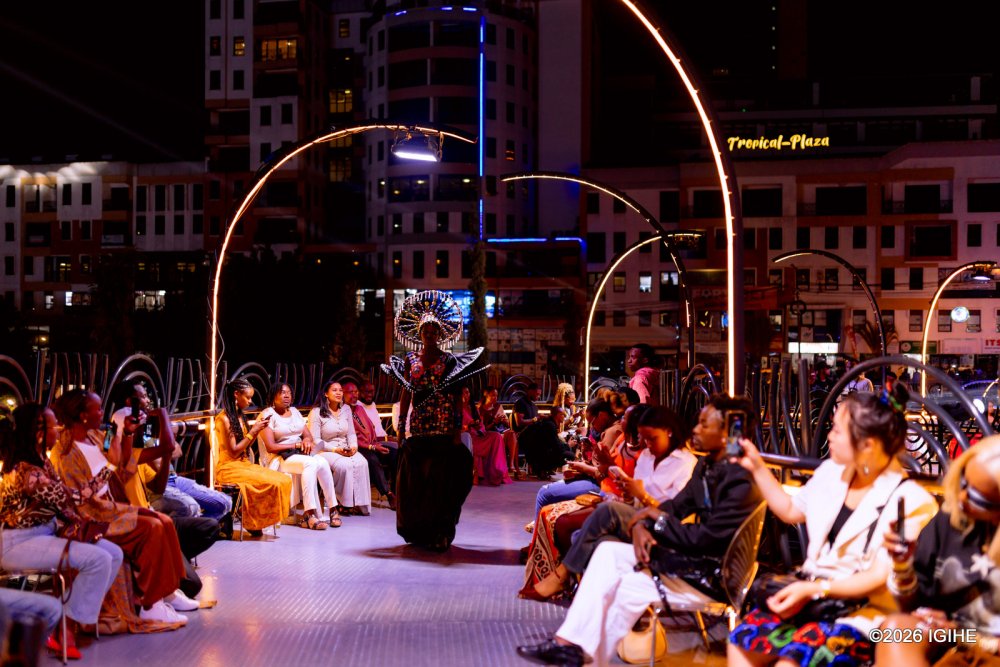
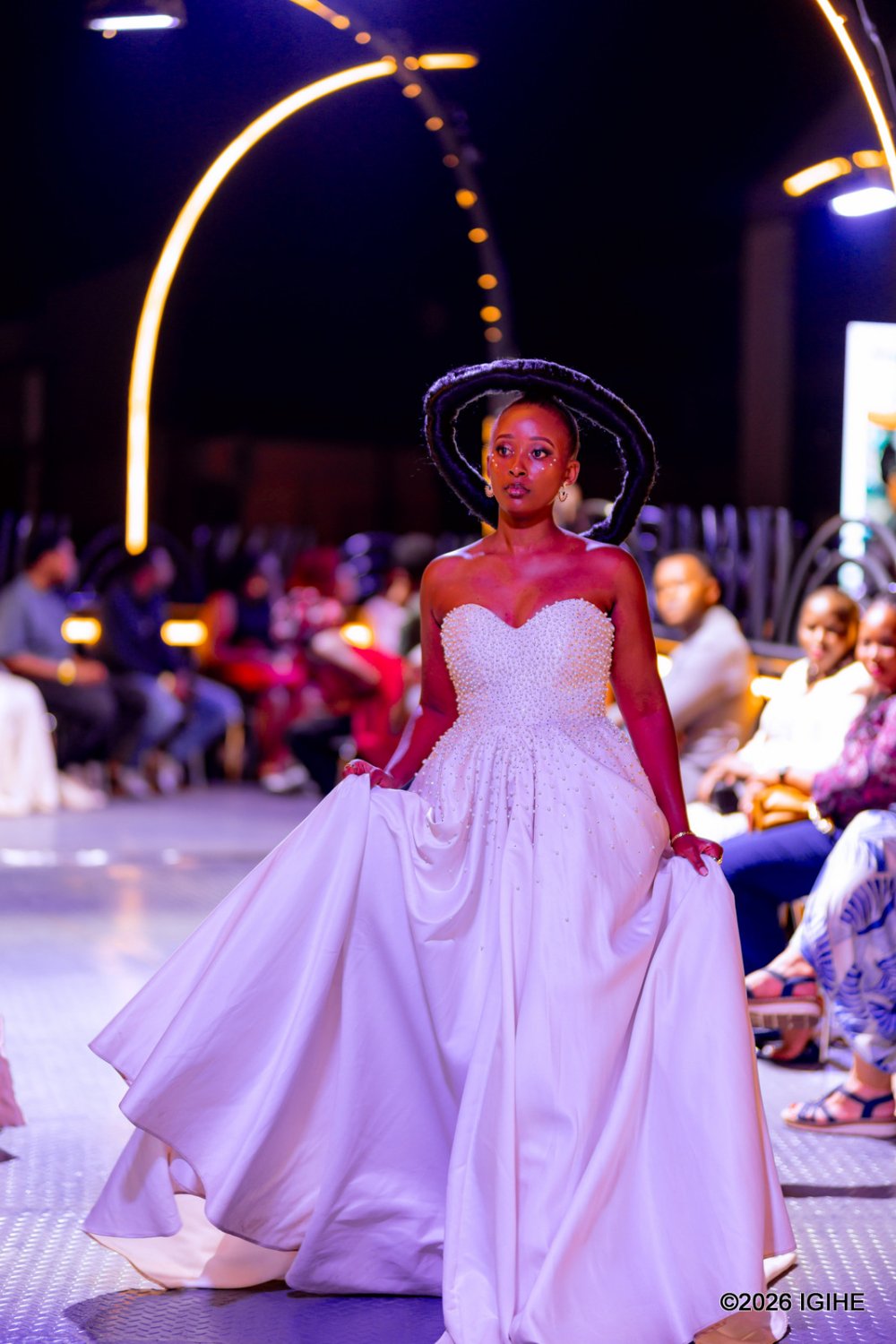
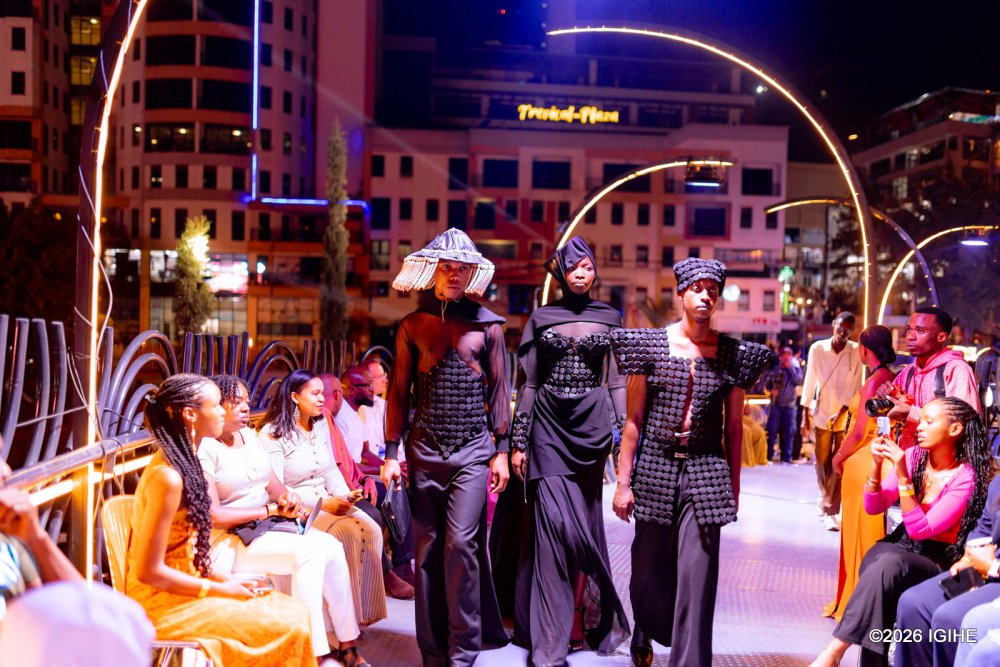
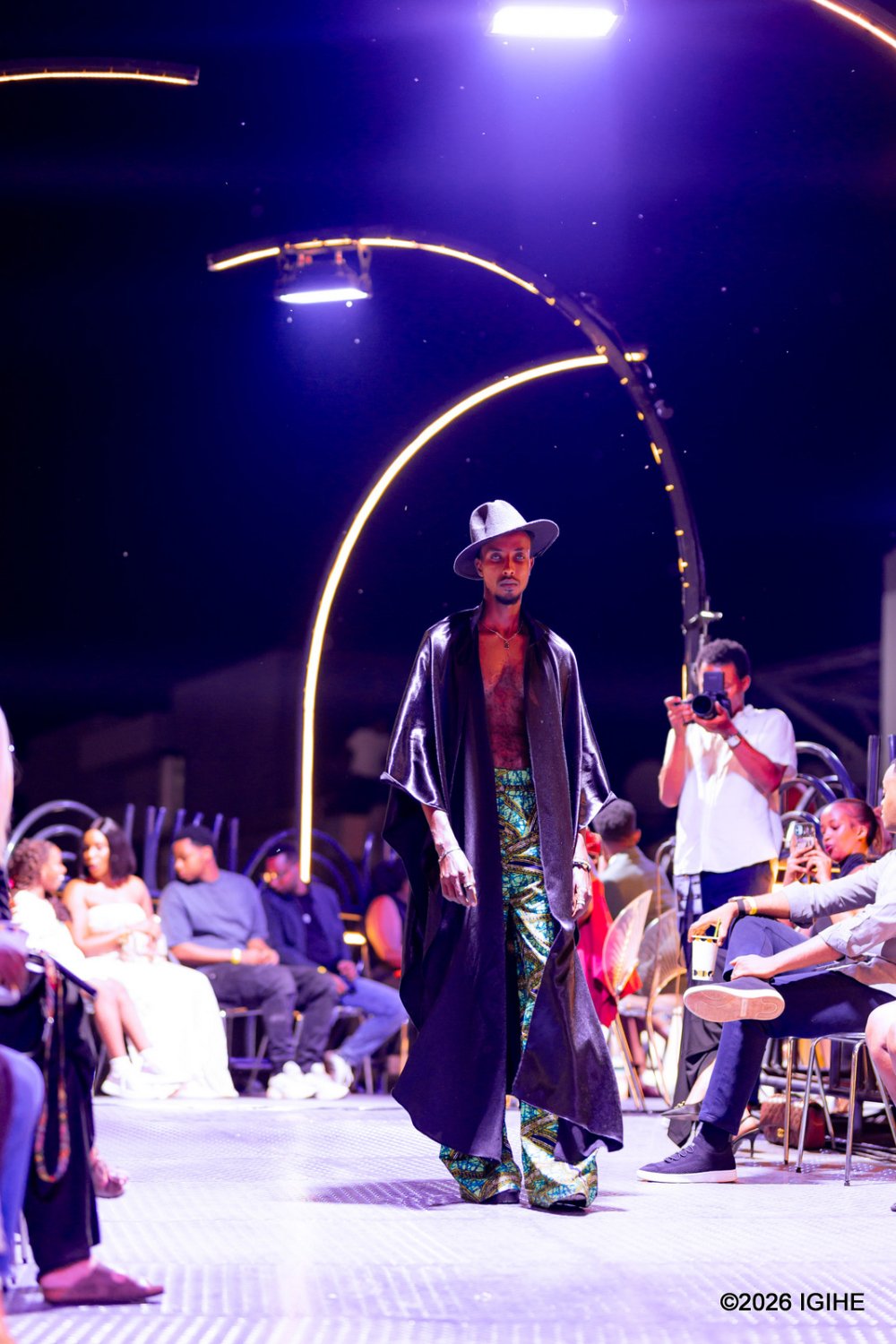
The 2026 edition of Kigali Fashion Week, held from May 25 to 30, marked the event’s highly anticipated comeback, featuring runway shows at Kigali Universe and The Pinnacle, among other venues. The event drew designers, models, diplomats, corporate partners, and fashion enthusiasts from across the region.
However, weeks after the celebrations ended, Bunyeshuri says serious disagreements emerged behind the scenes, prompting him to cancel a Memorandum of Understanding (MoU) signed with LG Events in November 2025.
Speaking in an interview with IGIHE, Bunyeshuri praised the event’s execution and the efforts of the organising team but claimed that financial and operational concerns ultimately led to the collapse of the partnership.
“I think it was very successful,” he said of the event. “I must give credit to those who were behind managing and running it. The Rwandans who worked tirelessly behind the scenes did a really good job. Kigali Fashion Week came back with a bang.”
Despite commending the production, Bunyeshuri alleged that disputes arose over finances and communication during and after the event. According to him, several service providers and members of the organizing team later contacted him claiming they had not been paid.
He further alleged that approximately Rwf 35 million linked to various contributors and partners remained unaccounted for, though he acknowledged that he was not directly involved in the event’s financial management.
“The partners I’m talking about are the Americans and some Rwandans who worked with this event. None of them were paid. The Rwandans who were part of the organizing team were not paid,” he claimed.
Bunyeshuri also alleged that repeated attempts to reach LG Events after the event were unsuccessful.
“We gave him 14 days to come back to us. He didn’t come back. We wrote to him, but he didn’t answer calls. We used our legal team to write to him, he didn’t respond,” he said.
The fashion entrepreneur further revealed that complaints had been filed with authorities in both Rwanda and Uganda.
“We have filed formal complaints. Everything is in the process. We want justice for the people who were affected,” he revealed.
Bunyeshuri maintained that he never received any financial benefit from the agreement, despite being entitled to 15 percent under the partnership arrangement.
“I never received a single dime from this project,” he stated.
LG Events responds
In response to these heavy allegations, LG Events Production and Creative Director, George Lugoloobi, rejected suggestions that his company’s role was merely operational.
Speaking to IGIHE, Lugoloobi defended his team’s work, framing the financial strain as an inherent hurdle in building a long-term “creative ecosystem” rather than operational mismanagement.
“The success and visibility of this edition did not happen by accident. It was built through strategy, creative direction, execution, sacrifice, and significant financial risk,” Lugoloobi argued.
However, Lugoloobi’s defense avoids the specific financial rescue lines highlighted by the founder, who noted that a sponsor, Thompson Samson, had to step up to pay all 80 models present entirely out of pocket to avoid “embarrassment.”
Bunyeshuri pointed out that Samson “lost a lot of money” as funds went missing, questioning how the event’s capital was actually allocated.
In his response, Lugoloobi challenged the assumption that the event generated immediate profits, noting that first-year revivals require significant reinvestment. However, he fell short of addressing the core financial issues regarding service providers, who are yet to receive their money.
“In a first year of rebuilding any platform, profit is rarely the focus… Success on the outside does not always reflect the financial pressure, debt, and operational burden behind the scenes,” he stated.

Lugoloobi heavily criticised Bunyeshuri for airing what he termed as unresolved grievances in the press.
“What raises concern for me is the decision to take unresolved matters directly into the media before full financial reconciliation and due process have taken place,” Lugoloobi said. “That approach creates unnecessary public speculation instead of allowing the facts to be established through proper channels.”
While Bunyeshuri has said the partnership has been cancelled and control of the brand has reverted to him, Lugoloobi insisted that LG Events is not contesting ownership of Kigali Fashion Week.
“We are not fighting for ownership. We respect the history of the platform and the role of its founder,” he said.
“However, respect must also be given to creative minds, strategic contributions, and the value of the work that transformed this edition.”
Lugoloobi added that any transition should be handled professionally and should account for outstanding debts, liabilities, and obligations associated with rebuilding the platform.
“If the intention is to reclaim the platform, then the responsible thing is to settle matters accordingly, through proper financial reconciliation and mutual respect,” he noted.
Despite the dispute, both parties acknowledged the undeniable success of Kigali Fashion Week’s return and its positive impact on Rwanda’s creative economy.
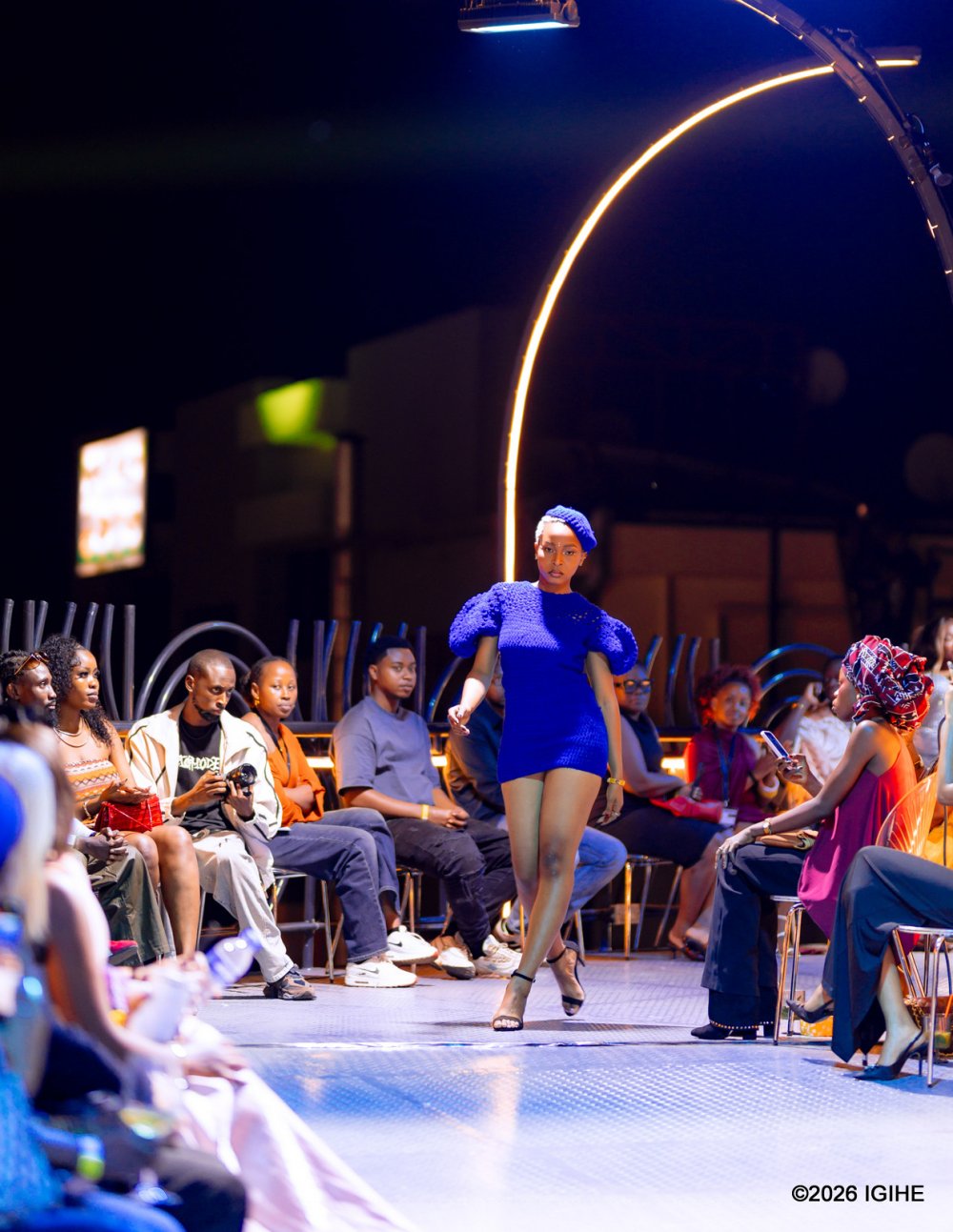
Bunyeshuri stated that the event renewed enthusiasm among young designers and models, confirming that discussions are already underway for future editions later this year.
“We’re not going to stop. We’re going to build on what they built,” he remarked.
As formal legal and financial complaints unfold with authorities in both Kigali and Kampala, the final resolution of the dispute, and whether local service providers will ever see their money, remains to be seen.