
‘I had lost hope’: Manirahari’s journey from the streets to recovery
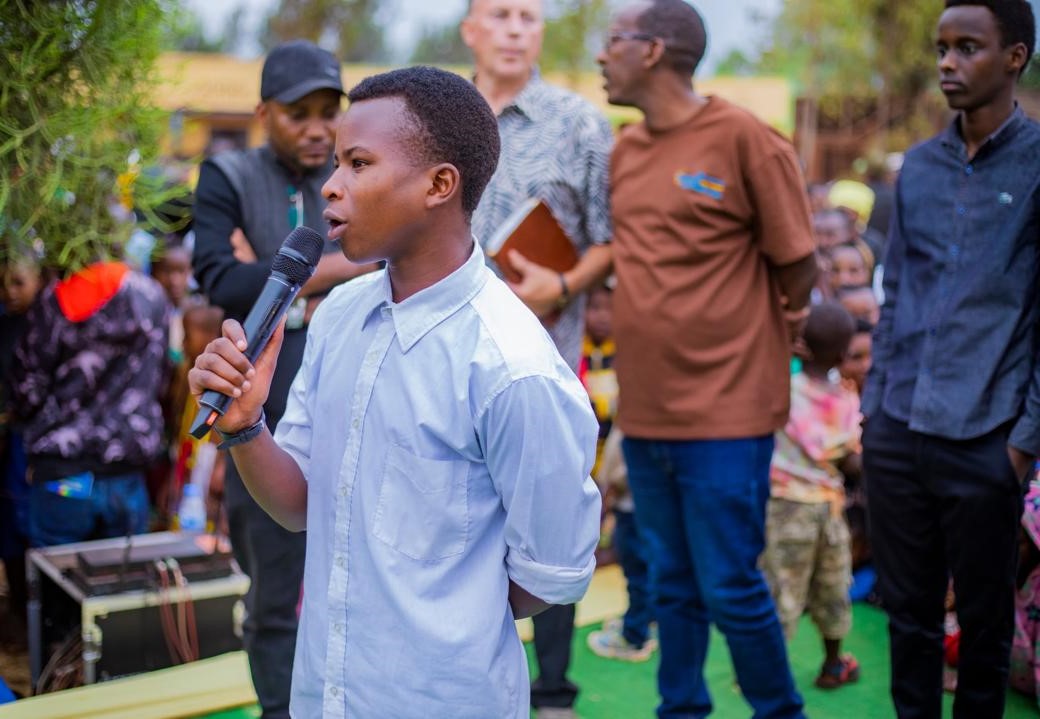
After years of living on the streets and struggling with drug use, Manirahari Ulliel says he has regained hope for the future, thanks to the support and help of Teen Challenge Rwanda.
His difficulties began while he was still in primary school, when he developed a wound that would trouble him for more than five years.
The condition left him increasingly isolated. Some people avoided him because of the smell from the wound, while his family searched desperately for treatment.
His mother initially took him to traditional healers, believing he might have been bewitched. Manirahari says one of the treatments only made his suffering worse.
“They took me to a traditional healer who said, ‘Today is Wednesday, and by Friday the child will be well.’ He applied something to me, and I was in severe pain. Whenever I felt the pain, he said it was a sign that the treatment was working,” he said.
When several attempts with traditional medicine failed, his mother turned to hospitals.
Manirahari received treatment at several health facilities, including Ruhengeri Referral Hospital, Nyarugenge Hospital, Inkuru Nziza and King Faisal Hospital, but his condition did not improve.
Life on the streets
After years of illness and isolation, Manirahari left his home in Musanze and made his way to Kigali.
He spent much of his time on the streets around Nyabugogo, sleeping under bridges alongside other children.
It was during this period that he began using different types of drugs. He says he initially turned to drugs as a way of escaping the pain, rejection and difficulties he was facing.
“When I smoked marijuana, I felt like I was in heaven,” he said.
But what began as an escape soon became part of an even more difficult life.
Manirahari says he often went hungry, slept outdoors, was beaten by other young people and was taken to the police station many times.
His wound remained a constant source of pain and embarrassment.
“The wound smelled very bad. At the police station, people would ask the police to release me, saying, ‘This boy is making the place smell unbearable.’ That experience pushed me further into drinking,” he said.
As his drug and alcohol use increased, his hope for a better future gradually faded.
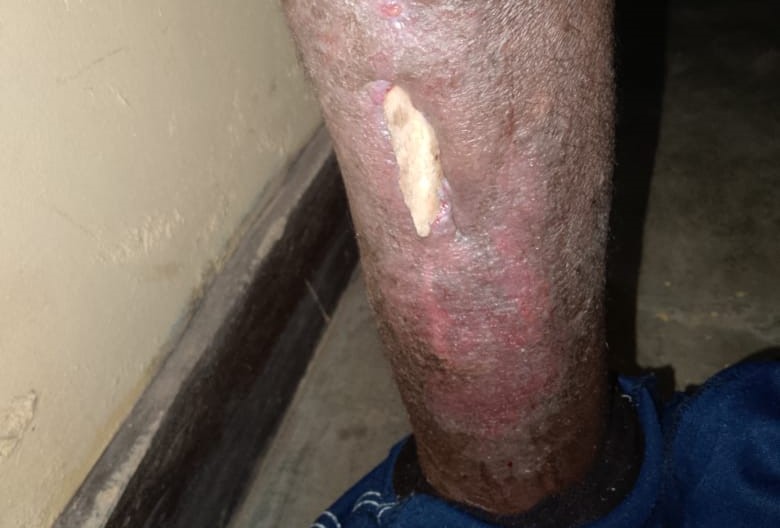
A chance to rebuild his life
Manirahari says his life began to change when workers from Teen Challenge Rwanda found him near Nyabugogo bus station using a substance locally known as “Tineri.”
They offered to help him overcome his drug use and receive treatment for the wound he had lived with for years.
He accepted their offer and joined Teen Challenge Rwanda, a programme based in Runda Sector, Kamonyi District, that supports people struggling with drug addiction.
For Manirahari, it was the beginning of a new chapter.
He received support to overcome drug use, treatment to help heal his wound, and practical training to help him rebuild his life. Among the skills he learned was soap making.
His health improved significantly, and he says he no longer needs crutches to walk.
Today, Manirahari says he has no desire to return to his former life.
“Now, even if you told me that alcohol, marijuana or Tineri were the only medicine that could save my life, I would rather accept death and gain eternal life than go back to that life,” he said.
After years of feeling that his future had disappeared, Manirahari says he can now look ahead with renewed hope.
“I thank Teen Challenge Rwanda and Comfort My People Ministry for helping me and paying the hospital bills that my family and I could not afford. Jesus paid it all,” he said.
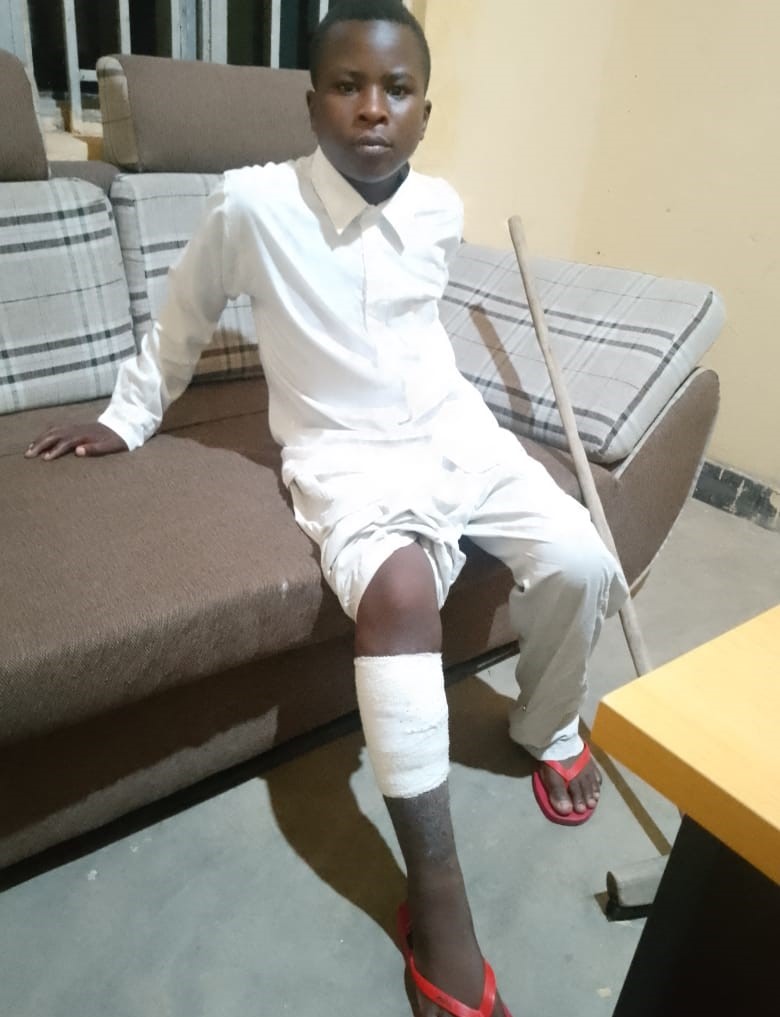
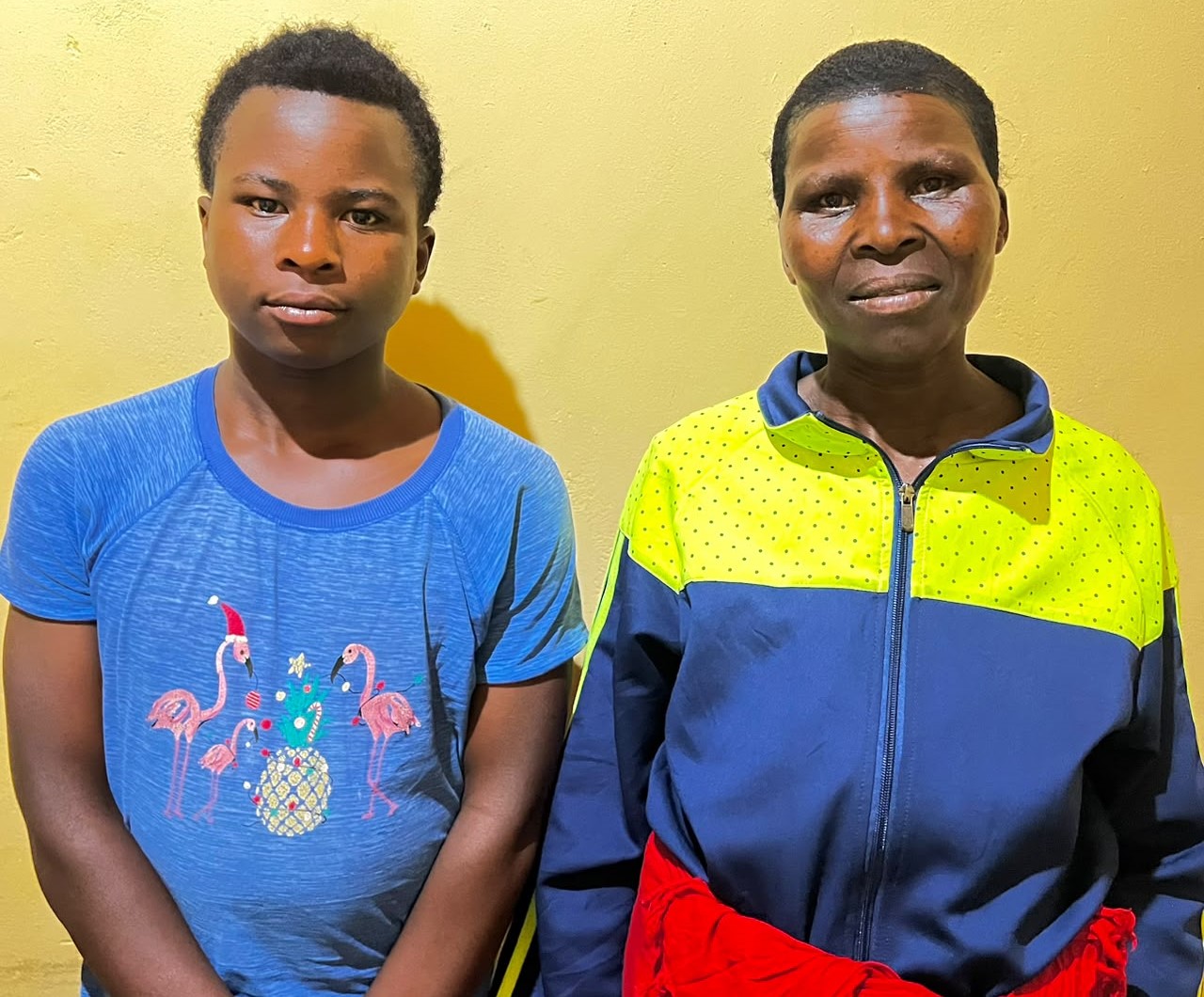
I had lost hope of seeing him again
For Manirahari’s mother, Mukasine Christine, seeing her son healthy again brought overwhelming joy after years of worry, searching and uncertainty.
She says she tried everything she could to find treatment for him, even selling farmland to help pay for his medical care.
“He is my youngest child. I took him everywhere for treatment. I even sold farmland in the hope that he would recover, but the more I sought treatment for him, the worse his condition became,” she said.
When Manirahari eventually left home and began living on the streets, Mukasine says she lost hope of ever seeing him again.
Their reunion after his recovery brought her to tears.
“When I saw him today, I was overwhelmed with joy and cried. I thanked God that his leg had healed, that it no longer smelled and that he looked healthy. You can also see that he has learned good values and knows how to pray,” she said.
Mukasine says Teen Challenge Rwanda came alongside her son at a time when the family had exhausted its options.
“These people did not know me, and I did not know them, but they cared for my child and treated him. Look at how healthy he is now. I thank them very much. May the Lord strengthen their hands and bless them,” she said.
Putting hope within reach
Pastor Willy Rumenera, head of Comfort My People Ministry in Rwanda and Teen Challenge’s East Africa director, says the organisation works to bring practical help and renewed hope to people facing different challenges.
“We support orphans by helping them go to school, we support widows by building homes for them across the country, and we support young people struggling with drug addiction by putting hope within reach of every addict. And our work goes far beyond that, reaching people in many other areas of need,” he said.
Pastor Rumenera says the organisation has helped more than 200 young people overcome drug addiction and other harmful habits.
Some have returned to school, while others have found employment and begun rebuilding their lives.
He says the organisation has helped many Rwandans, Burundians and Congolese overcome drug addiction and rebuild their lives, while also carrying out drug-prevention campaigns in more than 20 districts across Rwanda.
Pastor Rumenera also called on parents to play an active role in caring for and protecting their children, particularly those at risk of ending up on the streets.
“Parents must understand that children have the right to be cared for and protected. When children are cared for, they can also contribute to the development of their families and country,” he said.
For Manirahari, the years of living on the streets, struggling with addiction and losing hope now belong to a chapter of his life he does not want to return to.
On October 2, 2026, after completing the Teen Challenge Rwanda programme, Manirahari is due to return to his family and begin a new chapter in his life.
He says he plans to use the skills he has learned to support himself, rebuild his life and move forward with hope.
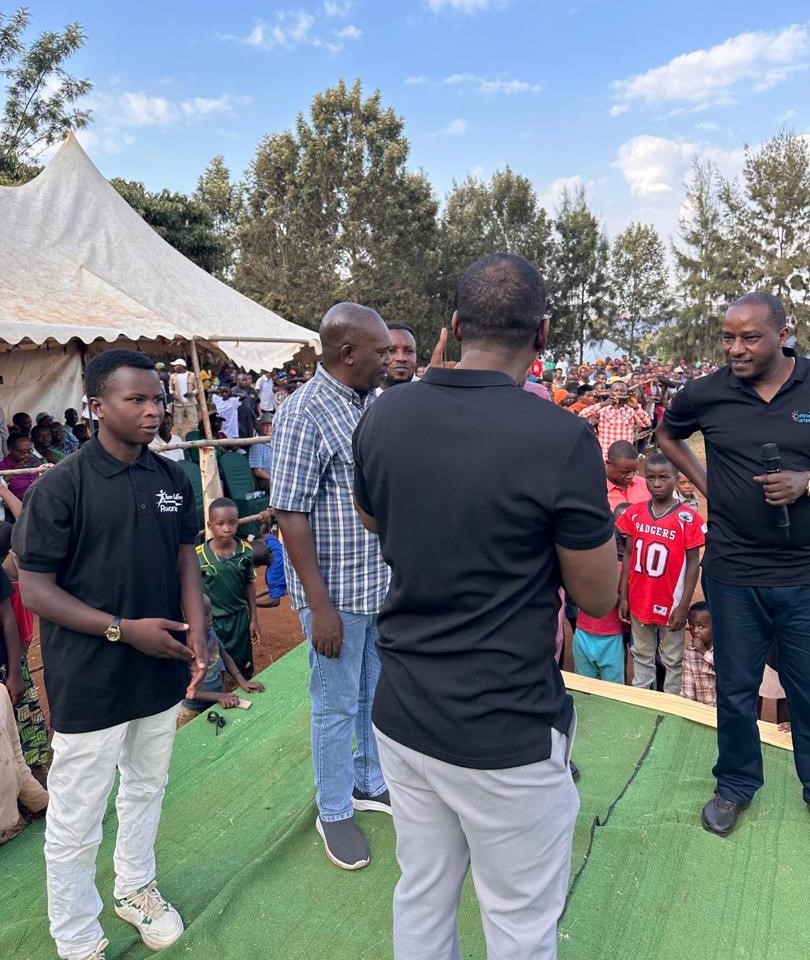
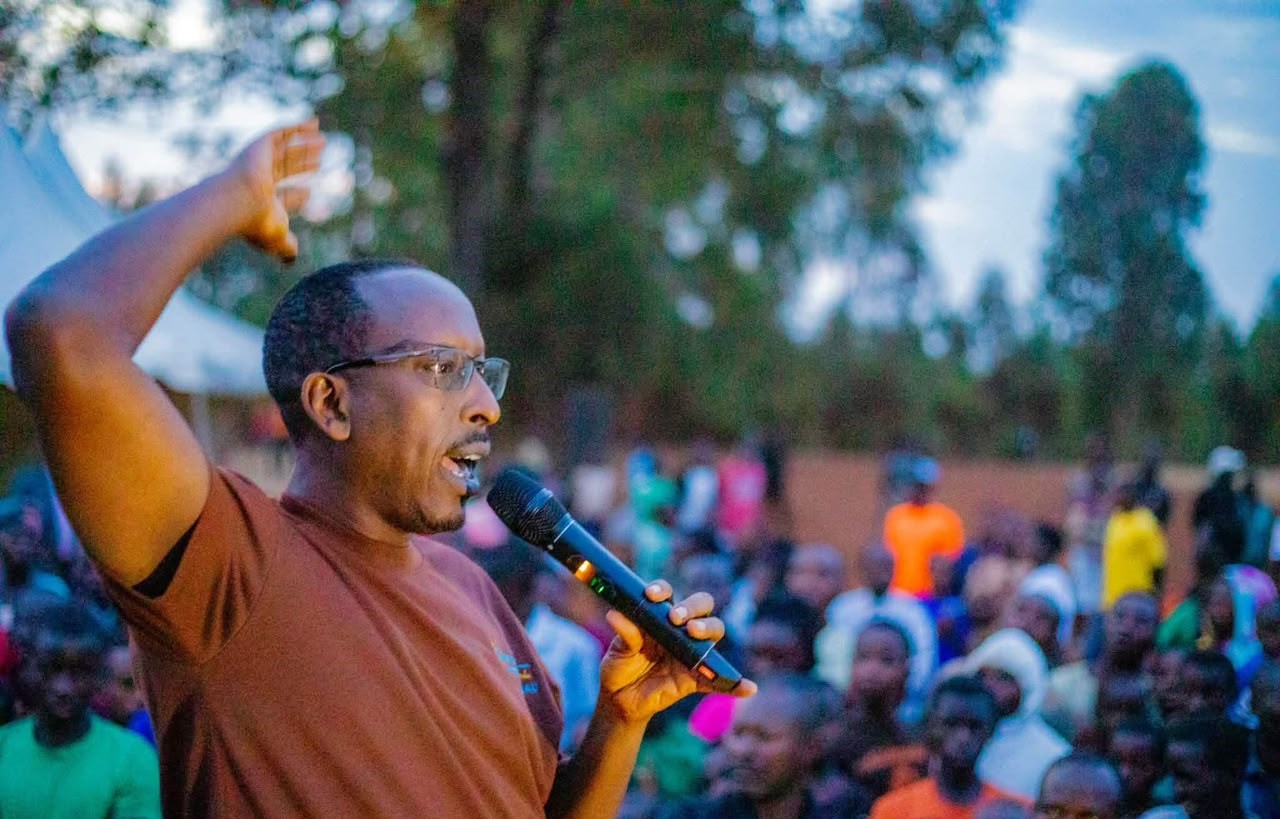
Rwanda’s campaign against drug use
Manirahari’s story comes amid government efforts to tackle drug use and illicit alcohol, particularly among young people in Rwanda.
Health Minister Dr Sabin Nsanzimana recently urged Rwandans, especially young people, to stay away from drugs and illicit alcoholic drinks and to report those involved in producing or selling them.
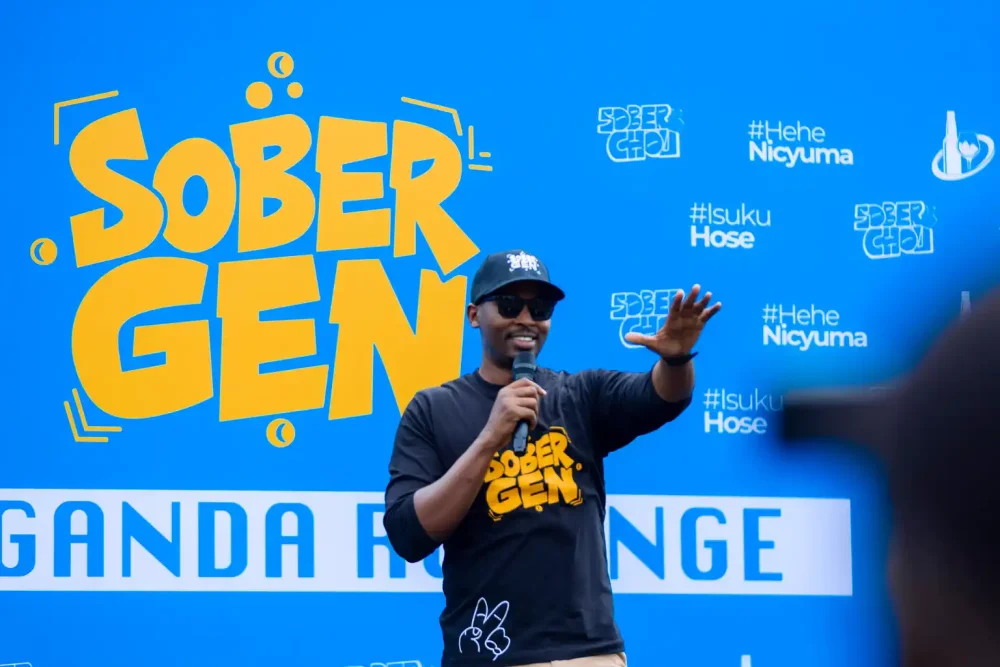
He made the call during Umuganda in Rusororo Sector, Gasabo District, on September 26, 2026, as part of a campaign against drug use among young people.
Dr Nsanzimana said that although progress had been made, illicit alcoholic drinks had not yet been completely eliminated.
“There are still some of these illicit drinks around. There are only a few left, so let us work together to eliminate them too,” he said.
“If you hear that someone is brewing kanyanga, call 114 or 112 and let the authorities deal with it, because these substances kill people.”
He also urged people to stay away from other drugs, including substances that are injected or smoked, warning of the harm they can cause to people’s health.
For Manirahari, that message is deeply personal. His journey has taken him from illness and isolation to the streets, from drug use and hopelessness to treatment and recovery.
Now, reunited with his family and looking towards the future, he says he is ready to leave his former life behind and make the most of the second chance he has been given.