
How scientific connections made in the teenage years can shape a career
For a teenager interested in science, meeting someone at a school competition or research camp may seem like an ordinary encounter.
Years later, that person could become a research colleague, collaborator or even the link to an important opportunity.
Such connections can begin long before a student enters university.
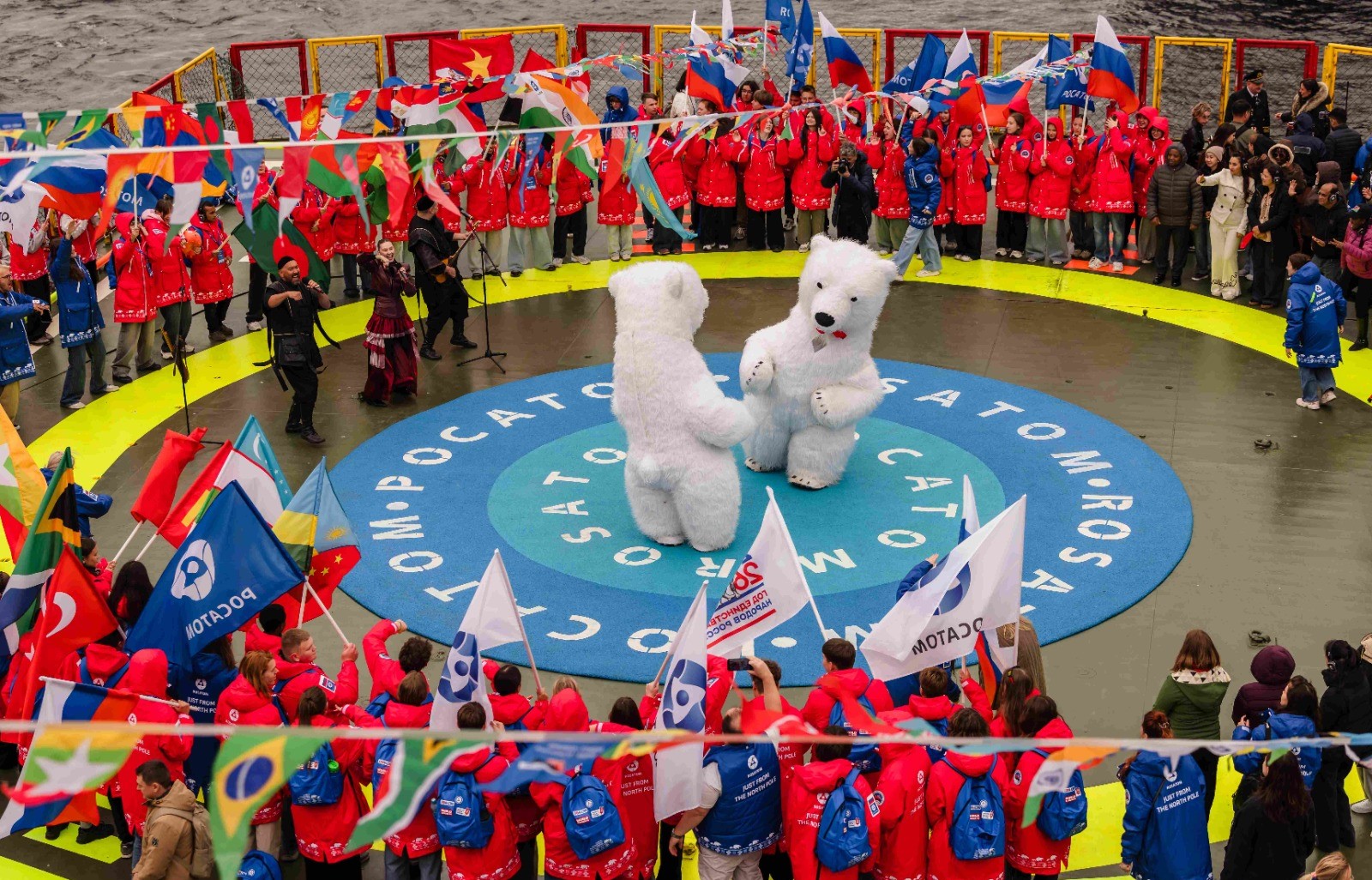
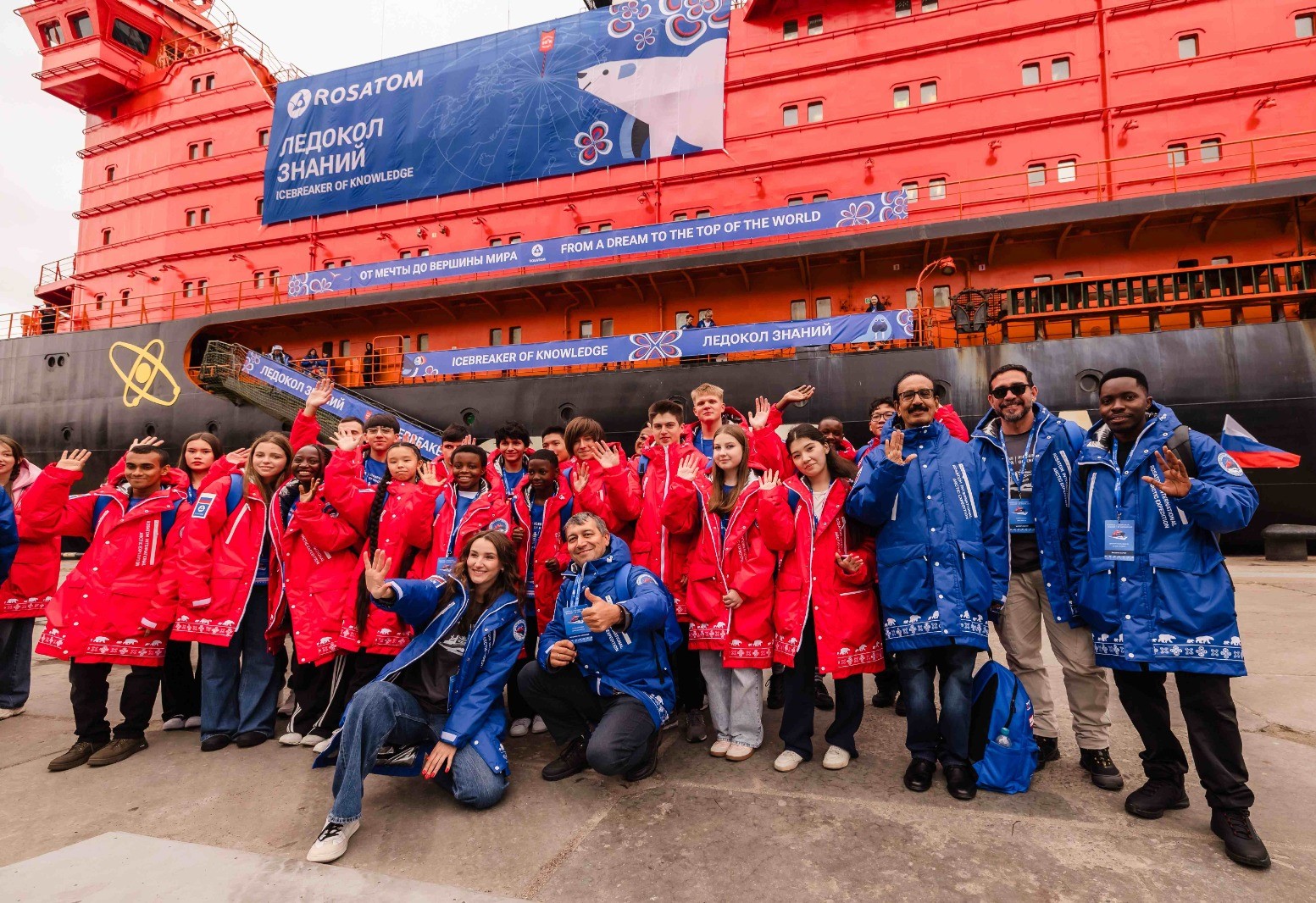
In 2026, Rwanda took part for the first time in the Icebreaker of Knowledge, an international educational project organised by Russia’s state nuclear corporation Rosatom.
The programme brings students from different countries together aboard the 50 Let Pobedy, a nuclear-powered icebreaker travelling towards the North Pole.
Among the participants was Louise Izere, who became the first participant from Rwanda to join the expedition.
The students explored Arctic research, environmental challenges and nuclear technology while working alongside peers from different countries.
But the experience was also an opportunity to see how international scientific collaboration works in practice.
For Izere, the journey changed the way she viewed her future.
“Going to the North Pole is like receiving an invitation to a completely different world.”
She said the experience had changed the way she thought about her goals and how much remained to be discovered.
“This experience inspired me to dream bigger about my future.”
Why connections matter in science
Scientific discovery is rarely a solitary pursuit.
Researchers increasingly work across borders and disciplines, sharing data, equipment and expertise to tackle problems that cannot easily be solved by one institution or country.
The Organisation for Economic Co-operation and Development (OECD) has highlighted the growing importance of international collaboration in research, with networks connecting researchers and institutions around the world.
For young people considering careers in science, technology, engineering and mathematics (STEM), that makes collaboration an important skill alongside technical knowledge.
International programmes can give students an early opportunity to develop these skills.
They may have to explain an idea to someone with a different educational background, divide responsibilities within a team or approach a problem from a different perspective.
These experiences can complement what students learn in the classroom.
“At the core of science is connection,” said Tshilidzi Marwala, a South African scientist and Rector of the United Nations University.
“Of course, it is about progress and discovery, but connection is a guiding principle.”
From classroom to global science
For Rwanda, the issue is particularly relevant as the country seeks to expand its scientific and technological capabilities.
Rwanda’s long-term development plans place emphasis on human capital development, science and technology, and STEM education.
International programmes can give students a view of scientific work beyond their own schools and universities, while introducing them to peers they might otherwise never meet.
There is no guarantee that relationships formed during adolescence will develop into professional partnerships.
A student met at 15 may never be seen again.
But they may meet years later at a university, laboratory or international conference.
The opportunity for that connection exists because they met in the first place.
For Izere, the Arctic expedition provided more than an unusual journey.
It gave her first-hand experience of working with young people from different countries and offered a broader perspective on what a future in science might look like.
A laboratory can teach a student how to conduct an experiment.
An international experience can show them who they might conduct the next one with.