
Rwanda tests platform to identify areas needing energy
Rwanda has started testing a digital platform designed to identify areas in need of electricity and other energy solutions.
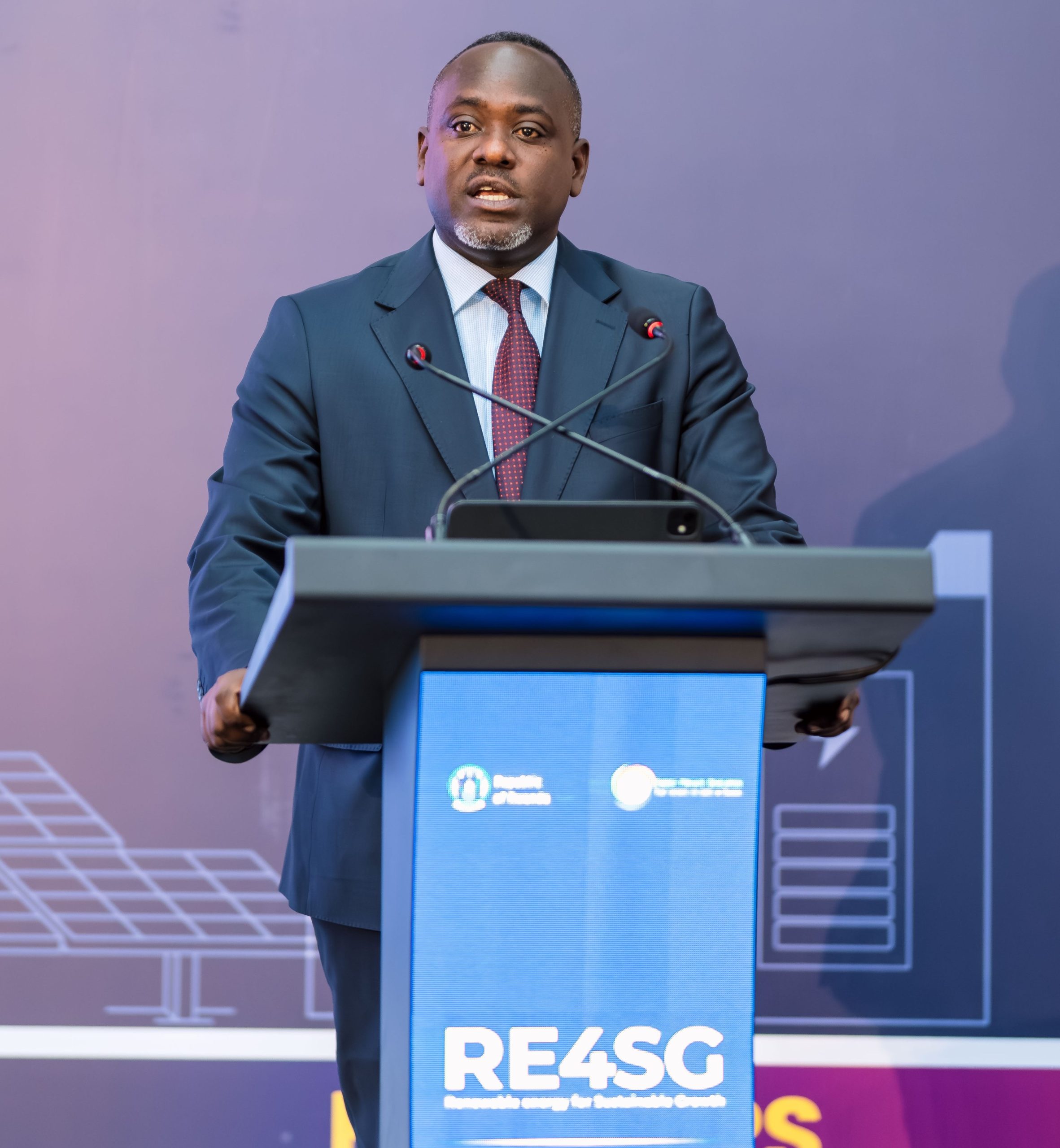
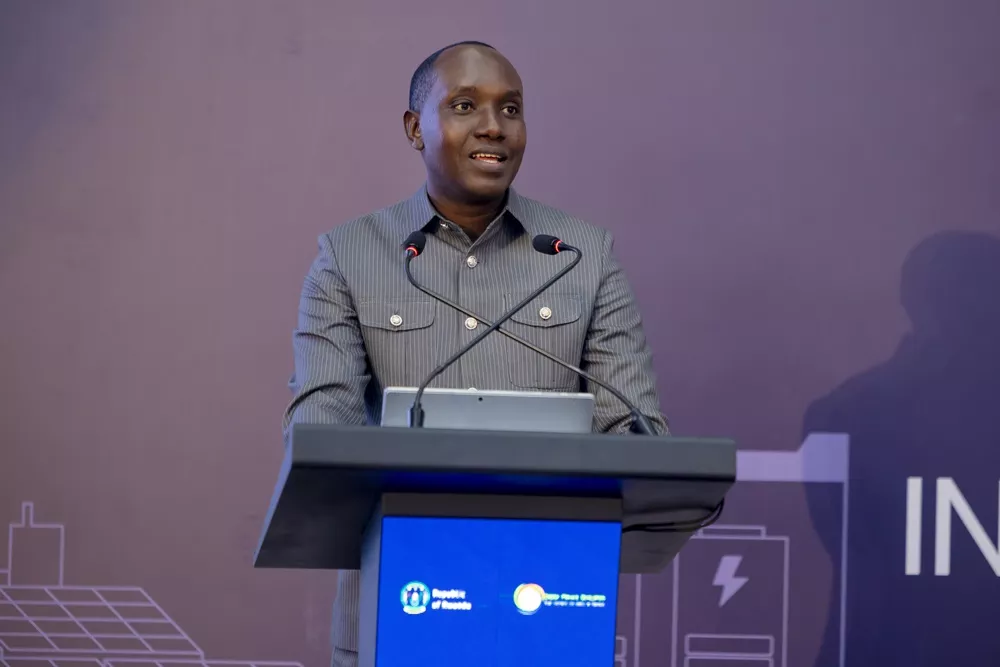
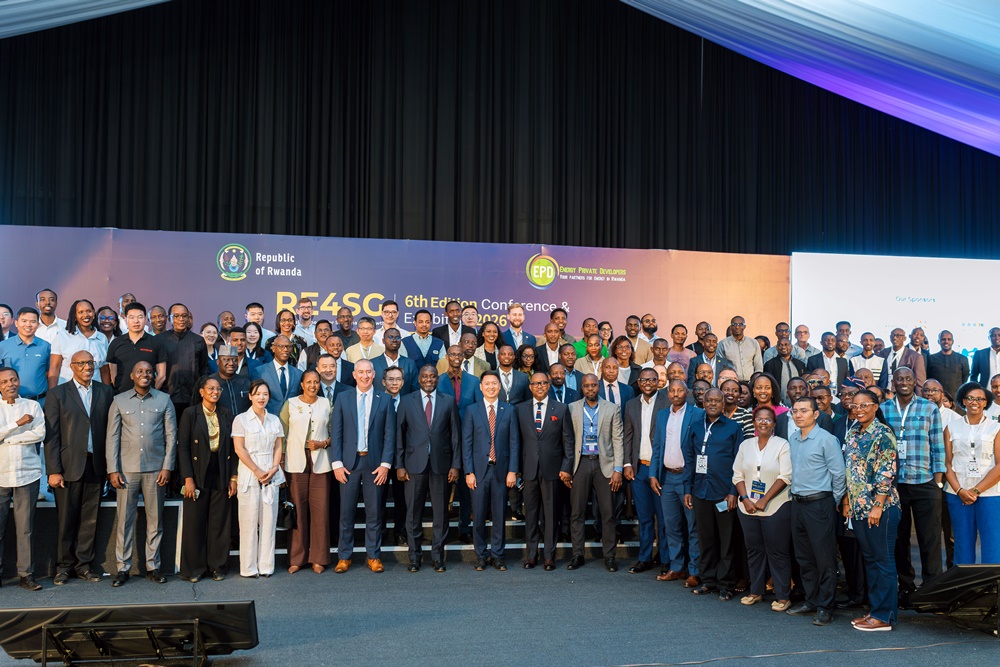
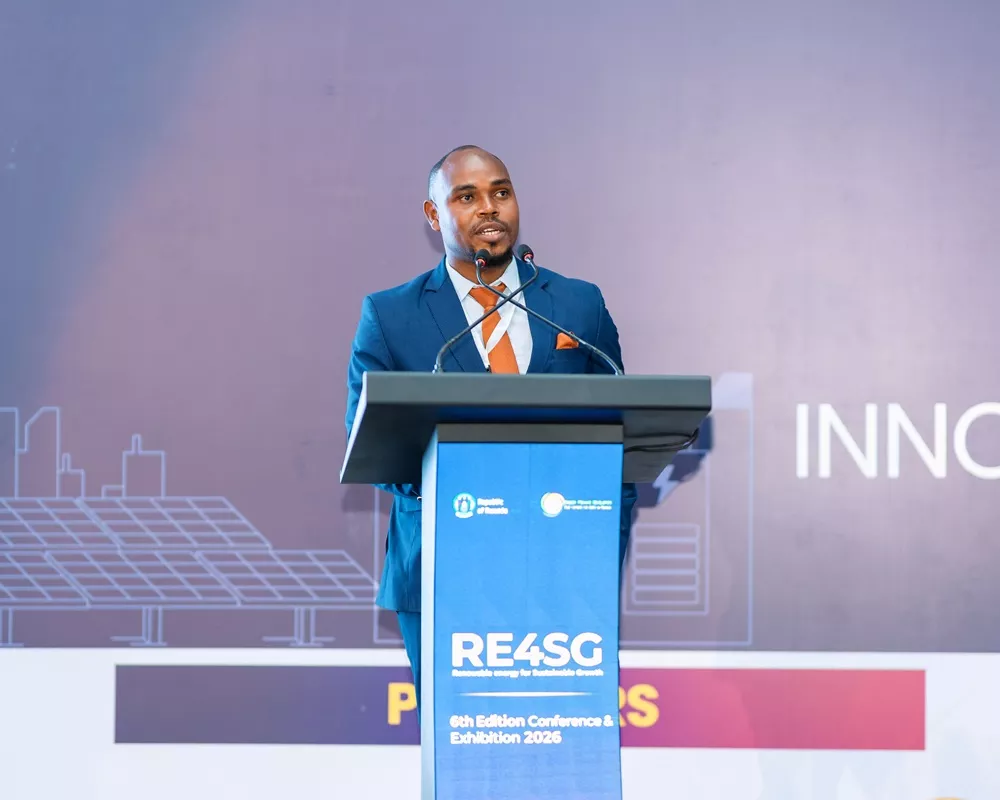
The Energy Access Explorer (EAE) was unveiled in Kigali on Tuesday during the sixth international conference on renewable energy for sustainable growth in Africa (RE4SG).
The platform brings together data on population, schools, hospitals, agriculture and existing electricity infrastructure.
It is designed to help governments, investors, donors and energy developers identify areas with the greatest energy access needs and assess suitable solutions.
Douglas Ronoh, Geographic Information Systems (GIS) Analyst and Associate at the World Resources Institute (WRI), said EAE provides a single map showing energy needs alongside existing infrastructure.
“You can access information such as population numbers and where people live, as well as social and economic activities that require energy, including schools and hospitals,” he said.
The platform also shows the potential of different areas to generate renewable energy, including solar and hydropower.
Ronoh said this could help investors and policymakers decide whether to expand electricity grids, install solar systems or promote clean cooking technologies.
Helping investors
Investors can use EAE to identify energy access gaps and assess whether a location is suitable for a particular project.
The Energy Access Explorer is designed to serve a range of users, from governments undertaking long-term energy planning to private companies searching for markets for clean-energy technologies.
International investors interested in Rwanda could also use the platform to assess potential locations for energy projects, while researchers and local stakeholders could use its datasets to generate sector-specific insights.
Ronoh described it as distinctive because it brings multiple datasets together in one centralized, open-source and interactive platform.
Energy-sector stakeholders are currently testing the platform and providing feedback. Ronoh said their feedback would be used to improve it before wider deployment.
Serge Wilson Muhizi, Chief Executive Officer of the Energy Private Developers Association (EPD), said Africa’s energy transition would require cooperation between governments, businesses and other sectors.
“The transformation of Africa’s energy sector cannot be achieved by one country, one company or one sector alone,” he said.
Rwanda’s Minister of State in the Ministry of Infrastructure, Armand Zingiro, said Africa needed to expand energy access, attract investment and speed up project implementation.
He said the continent’s challenge was not a lack of energy potential, but turning that potential into investment, jobs and sustainable development.
Rwanda has increased household electricity access to 85.4%, from about 64.5% five years ago.
The government aims to achieve universal electricity access by 2029 and increase renewable energy’s contribution to at least 60% by 2030.