
Rwanda adopts One Health approach to eliminate rabies
Rwanda’s health and animal authorities have urged Rwandans to adopt a One Health approach that recognises the links between human, animal and environmental health as the country steps up efforts to eliminate rabies, a deadly but preventable disease.
The call comes ahead of World Rabies Day on 28 September, as part of the “One Health and Rabies Prevention” campaign, which aims to raise awareness about dog bites and ways to prevent rabies.
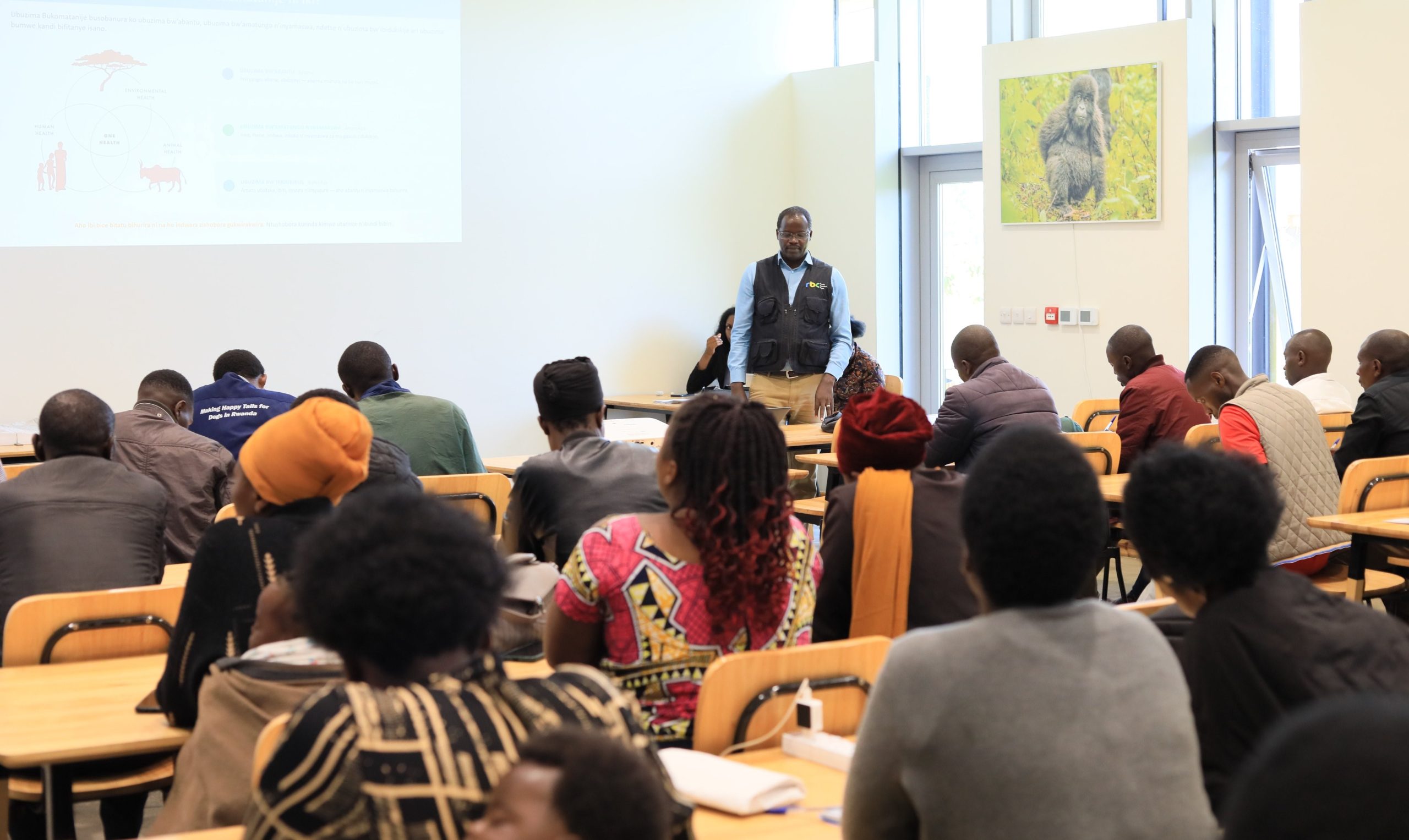
One Health is a multidisciplinary approach that brings together human, animal and environmental health sectors in designing and implementing programmes and policies to promote the health and wellbeing of people and animals.
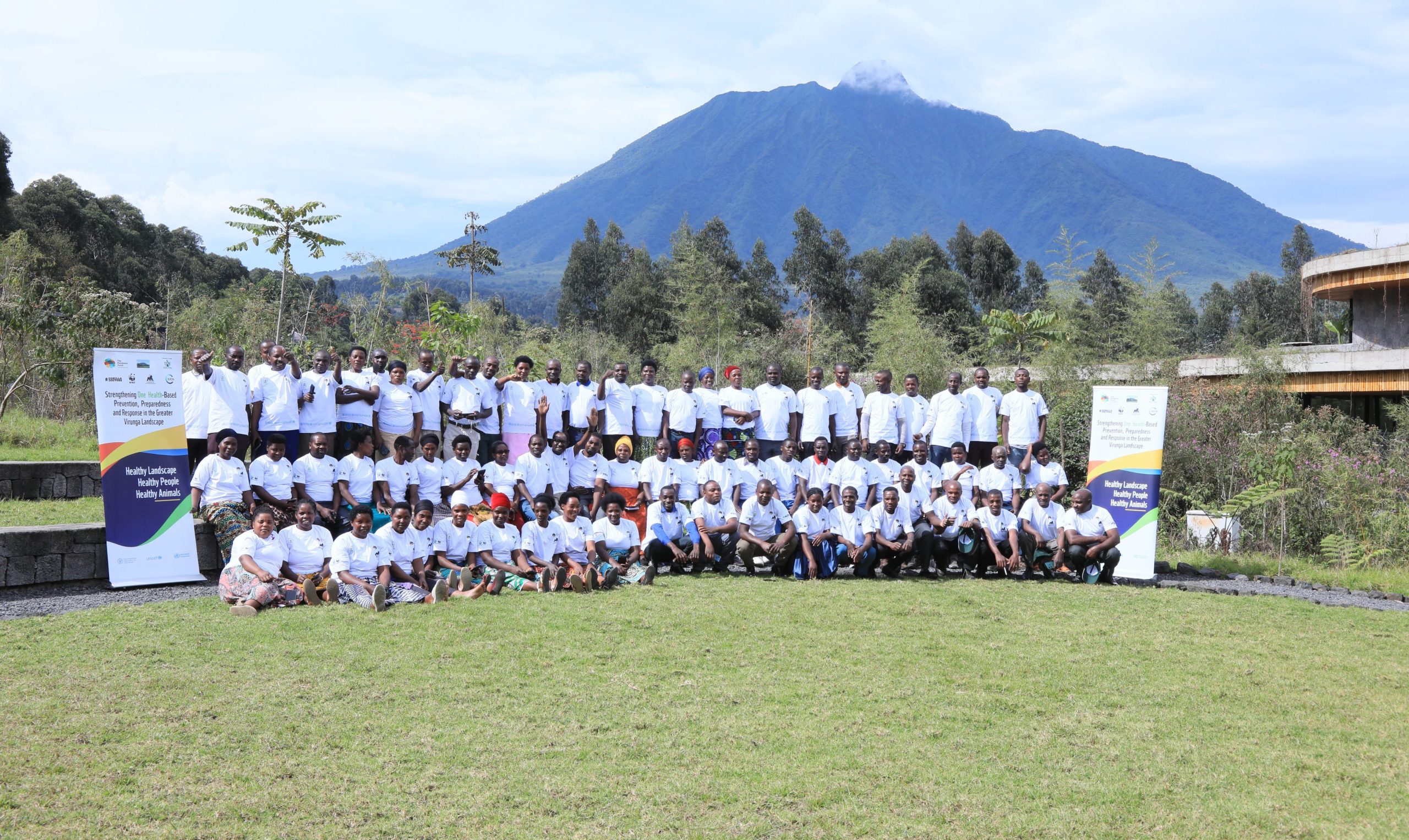
In Rwanda, this year’s campaign is being led by the Rwanda Biomedical Centre (RBC), the International Gorilla Conservation Programme (IGCP), the International Union for Conservation of Nature (IUCN) and other partners.
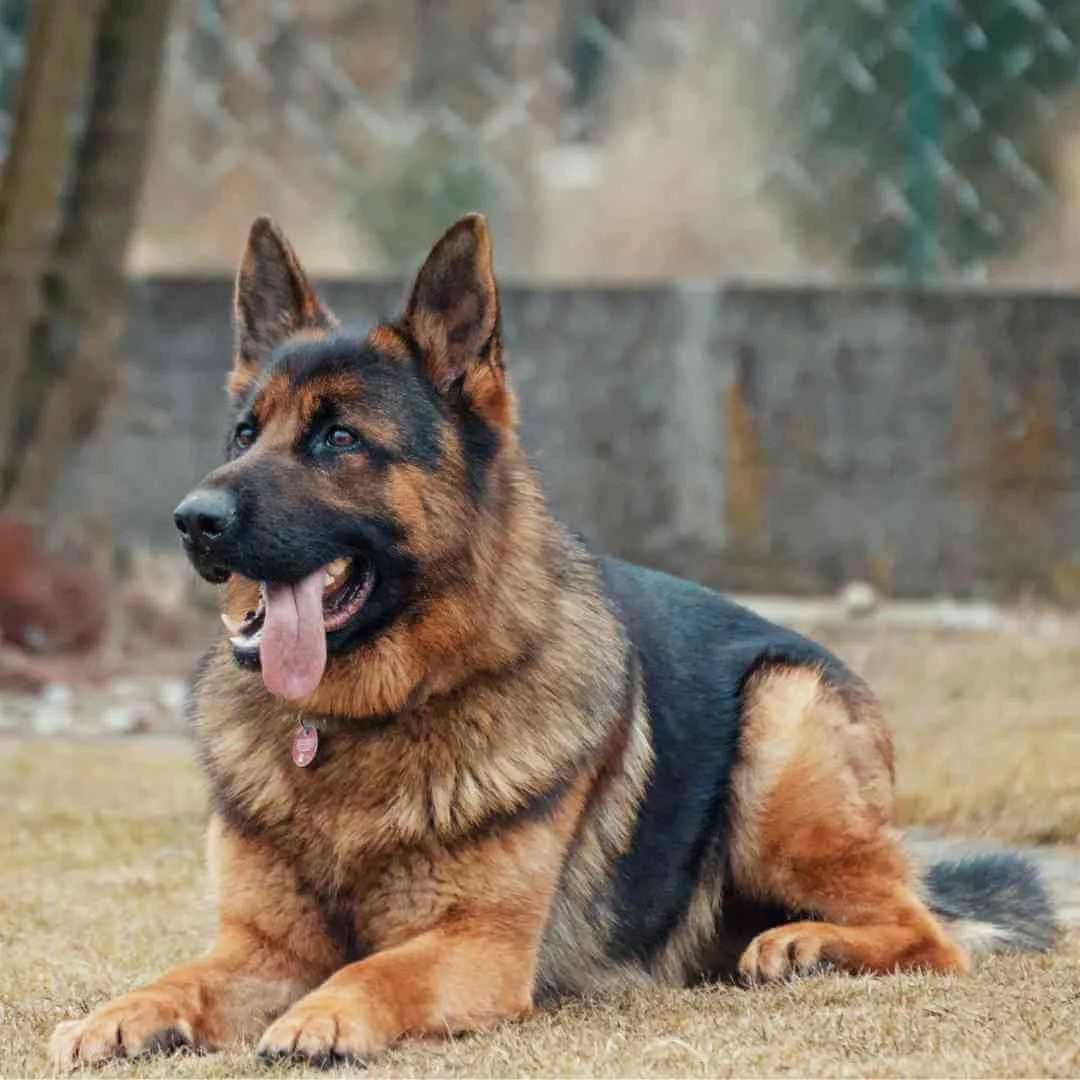
Authorities say stray dogs remain a concern in some parts of Rwanda because infected dogs can transmit rabies to people through bites.
Dr Shema Leandre, Director of the One Health Unit at the RBC, urged dog owners to keep their animals safely at home, provide adequate food, vaccinate them annually and seek veterinary care when they become sick.
“This would help prevent dogs from roaming and biting people. Stray dogs can contract rabies through bites from bats and transmit the disease to other dogs. A person bitten by an infected dog can also contract rabies,” Dr Shema said.
He said rabies is almost always fatal once clinical symptoms appear, but prompt post-exposure prophylaxis (PEP) can prevent the disease from developing after exposure.
This year’s World Rabies Day theme, “Stronger Together,” calls for collaboration to achieve the global goal of zero human deaths from dog-mediated rabies by 2030.
Risks to people and wildlife
Stray dogs can also pose risks to wildlife around national parks, according to Kwizera Janvier, a Rwanda Development Board (RDB) official working on cooperation and community welfare around Volcanoes National Park.
“There are dogs whose owners do not properly care for them, and they are often seen around the edges of Volcanoes National Park,” Mr Kwizera said.
He said such dogs could harm wildlife and pose risks to people through bites and the transmission of rabies.
Dr Richard Nduwayezu, Director of Research and Partnerships at the Welfare for Animals Guild (WAG), said people can be bitten when they provoke dogs, try to hit them or run away in fear.
He said a lack of understanding of dogs’ body language and warning signs can also increase the risk of bites.
He said: “Rabies is a serious disease, but we should remember that you cannot get it unless you are bitten.”
Dr Richard Nduwayezu said dog owners should provide proper food, vaccination and veterinary care, and prevent dogs from roaming freely.
“If the dog were kept and properly cared for at home, it would not pose such a risk,” He said.
The experts and campaign partners urged Rwandans to care for their dogs responsibly, vaccinate them and promptly report dog bites to health or veterinary facilities.
They stressed that sustained collaboration across the human, animal and environmental health sectors will be critical to Rwanda’s efforts to eliminate rabies by 2030.
What to do after a dog bite
Anyone bitten or scratched by a dog should wash the wound immediately with soap and running water for at least 15 minutes and seek medical attention as soon as possible.
People should tell health workers what they know about the dog, including whether it was vaccinated, was roaming freely or showed unusual behaviour.
A healthcare professional can assess the risk of rabies and determine whether post-exposure prophylaxis (PEP) is needed.
Prompt treatment after exposure can prevent rabies from developing, even though symptoms may not appear immediately.
By: Jean Claude Munyantore