
UN sanctions two senior FDLR commanders
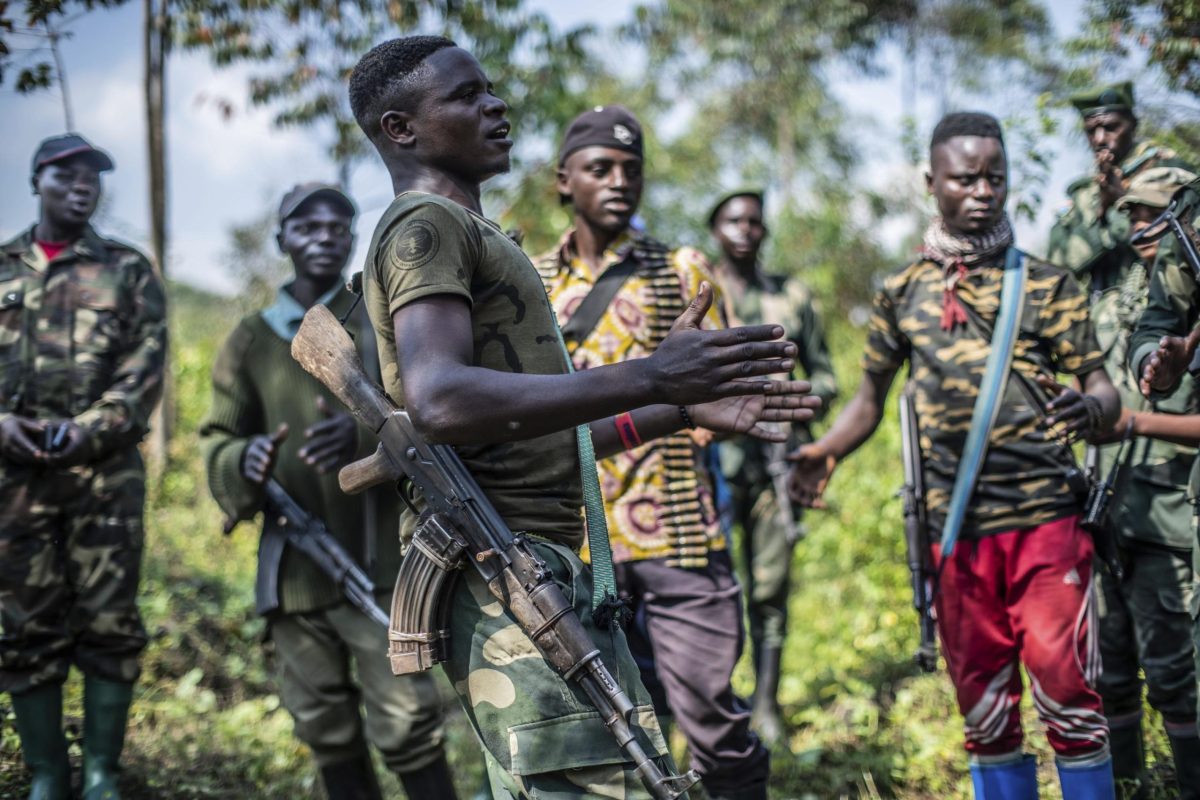
The United Nations Security Council has imposed sanctions on two senior commanders of the Democratic Forces for the Liberation of Rwanda (FDLR), an terrorist group group active in eastern Democratic Republic of Congo (DRC).
The sanctions target Brigadier General Sébastien Uwimbabazi, also known as Gilbert Kimenyi or Nyembo Kimenyi, and Colonel Gustave Kubwayo, also known as Sirkoof.
According to the UN Security Council, Uwimbabazi is among the senior leaders of the FDLR, a group accused of contributing to insecurity in the region for decades.
Born in 1968, Uwimbabazi is originally from Murunda Sector in Rwanda’s Rutsiro District and is believed to be based in Rutshuru Territory, in North Kivu province, eastern DRC.
The UN says Uwimbabazi was a gendarmerie officer in Rwamagana, in the former Kibungo Prefecture, during the 1994 genocide against the Tutsi in Rwanda. It says he later fled to Nyanza after the area was captured by the Rwandan Patriotic Army (RPA Inkotanyi).
The UN alleges that, while in Nyanza, Uwimbabazi provided weapons to a group known as “Dragons”, which was involved in the killing of Tutsi in Nyabisindu Commune and surrounding areas in the former Gitarama Prefecture.
The Security Council says Uwimbabazi has continued to support activities that threaten peace, stability and security in the DRC.
Second FDLR commander sanctioned
The second FDLR figure targeted by the sanctions is Colonel Gustave Kubwayo, whom the UN has identified as the commander of the group’s special forces unit, known as CRAP.
According to the UN, Kubwayo took over leadership of the unit following the death of Protogene Ruvugayimikore, also known as Colonel Ruhinda, in December 2023.
The UN says Kubwayo, who was born in 1969 and is from Karago in Rwanda’s Nyabihu District, has been involved in planning and supporting FDLR operations targeting civilians, including kidnappings for ransom and the illegal exploitation of natural resources in the DRC.
The United States also imposed sanctions on Kubwayo in June 2026, accusing him of commanding FDLR fighters operating in Nyiragongo Territory since 2022.
FDLR remains a regional security concern
A report by UN experts released in June 2026 said the FDLR continues to pose a threat to peace and security in eastern DRC and the wider Great Lakes region.
The report said the group has continued efforts to rebuild, amid allegations that it receives support from authorities in Kinshasa. The Congolese government has previously rejected accusations that it backs armed groups.
The FDLR claims to have more than 10,000 fighters, with about half of them involved in permanent military operations. Its CRAP unit claims to have more than 20,000 members.
However, UN officials and intelligence agencies estimate that the FDLR’s total strength is between 3,500 and 4,500 fighters. The Washington Agreement put the group’s size at between 3,000 and 3,500 members.
In June 2025, Rwanda’s military said the FDLR had between 7,000 and 10,000 fighters and accused the group of blending into civilian populations when facing possible attacks.
Other armed group leaders face UN sanctions
The UN Security Council also imposed sanctions on several other leaders of armed groups operating in eastern DRC.
They include AFC/M23 leader Corneille Nangaa, Colonel Nzenze Imani, who is responsible for intelligence and military operations within the coalition, and Brigadier General Charles Sematama, leader of the Twirwaneho armed group operating in Minembwe.
The Security Council did not provide detailed reasons for sanctioning Nangaa but said the AFC coalition he leads cooperates with the ARC/M23 movement, which is already under UN sanctions.
Colonel Nzenze was sanctioned because of his leadership role within a sanctioned armed group, while General Sematama was accused of leading a force involved in killing civilians, recruiting children into armed groups, and carrying out activities that threaten civilian security.
The UN also sanctioned Mohammed Lumisa, whom it described as a doctor within the Allied Democratic Forces (ADF), a group designated as a terrorist organisation, and the ADF’s external logistics chief. The UN says he is from Kampala, Uganda.
The sanctions include asset freezes in UN member states, travel bans preventing individuals from entering or transiting through those countries, and the possibility of arrest through international law enforcement cooperation, including Interpol.