
Rwanda PM urges Africa to reduce reliance on foreign health aid
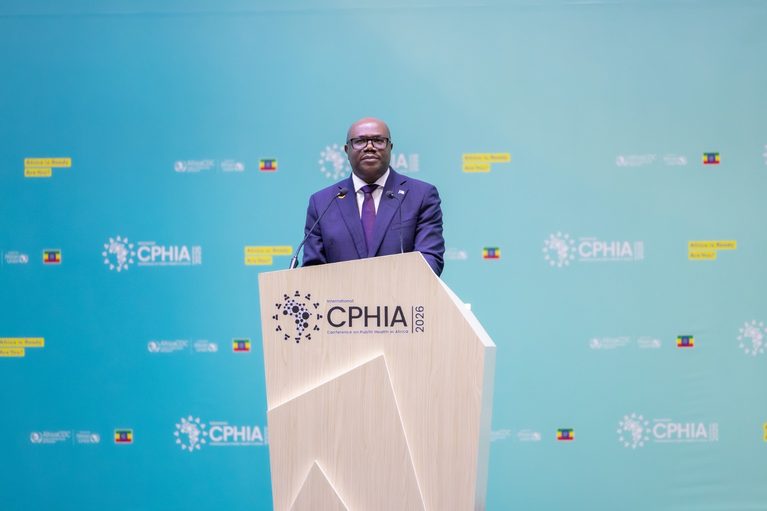
Rwanda’s Prime Minister, Dr Justin Nsengiyumva, has called on African countries to strengthen domestic financing of healthcare systems, warning that declining foreign aid and rising disease outbreaks are putting additional pressure on the continent’s health sector.
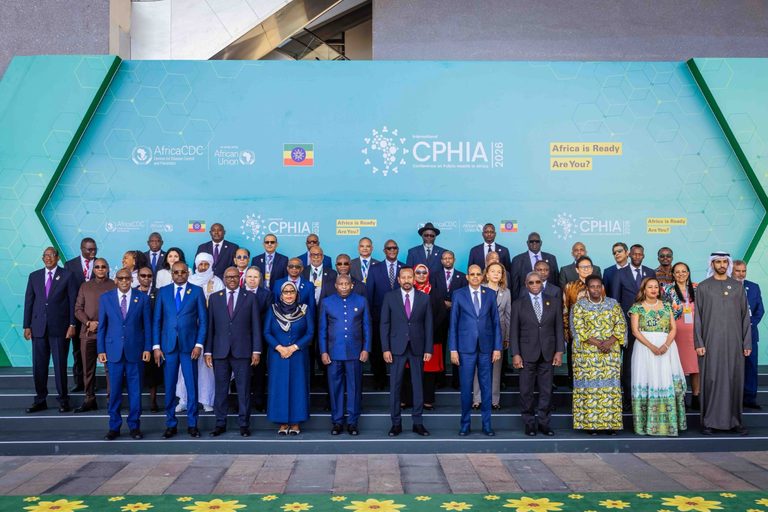
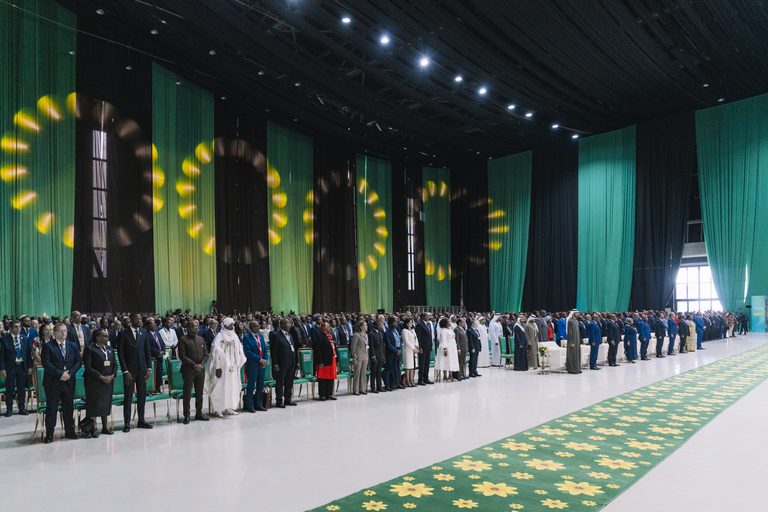
Nsengiyumva made the remarks on Monday, November 23, while addressing the Fifth International Conference on Public Health in Africa (CPHIA 2026), taking place in Addis Ababa, Ethiopia.
He attended the conference representing President Paul Kagame, who serves as the African Union Champion for promoting domestic financing of health systems.
He said African countries must rethink how they finance healthcare by mobilising more domestic resources and reducing dependence on external assistance.
“Foreign aid for health in Africa is declining sharply, while health challenges continue to grow, putting pressure on already underfunded health systems,” he said.
“We cannot continue depending on others to help us finance the basic health services we need. As President Kagame has consistently emphasised, Africa must take responsibility for financing its own health systems.”
However, he emphasised that reducing reliance on foreign aid does not mean ending international cooperation, but rather establishing partnerships in which African countries set priorities and lead implementation, with external support complementing domestic efforts.
Rwanda’s health insurance model offers lessons
Nsengiyumva outlined four lessons African countries could draw from Rwanda’s experience in building resilient and financially sustainable healthcare systems.
The first concerns domestic resource mobilisation, citing Rwanda’s Community-Based Health Insurance scheme, commonly known as Mutuelle de Santé, which has expanded access to affordable healthcare.
He said the scheme has covered approximately 89 per cent of Rwandans over the past 25 years, helping improve access to essential medicines and specialised healthcare services.
He also highlighted improvements in the country’s health indicators since 2000.
Infant mortality has declined from 107 to 27 deaths per 1,000 live births, while maternal mortality has dropped from 1,071 to 149 deaths per 100,000 live births.
Life expectancy has also increased from 50 to 70.5 years.
According to Nsengiyumva, these gains have been supported by investments in healthcare workers, technology and infrastructure, alongside the role of community-based health insurance in improving access to services.
He said Rwanda has continued to reform the scheme’s financing model to ensure that the burden does not fall entirely on the government.
In 2026, the country introduced a new contribution system based on households’ ability to pay, with higher-income earners contributing more while the government covers premiums for those unable to afford them.
He said beneficiaries currently contribute 37 per cent of the scheme’s financing, while the government and private sector provide the remaining 63 per cent.
The scheme has also expanded its coverage to include specialised services such as cancer treatment, kidney transplants and heart surgery, alongside measures to make premium payments easier.
Rwanda’s response to Marburg outbreak
The second lesson Nsengiyumva highlighted was the importance of investing in disease preparedness before outbreaks occur.
He cited Rwanda’s response to the Marburg virus outbreak in 2024, saying the country managed to contain it within three months because of existing healthcare infrastructure and disease surveillance systems.
Following the outbreak, community health workers, laboratories, hospitals and disease surveillance teams were mobilised.
Community health workers screened more than 9.5 million people in a country with a population of approximately 14 million.
Nsengiyumva said the outbreak had a case fatality rate of 22 per cent, compared with rates of up to 90 per cent recorded in some previous outbreaks.
He stressed that disease surveillance, testing facilities, trained health personnel and emergency response systems require consistent funding rather than relying on resources mobilised after an outbreak begins.
Africa urged to strengthen local pharmaceutical production
The third lesson focused on reducing Africa’s dependence on imported medicines, vaccines and medical supplies through increased local production.
Nsengiyumva said the continent cannot achieve health self-reliance while depending heavily on foreign suppliers for essential medical products.
He noted that African pharmaceutical manufacturers need predictable markets to expand production and attract investment.
He called on African countries to strengthen joint procurement through the African Pooled Procurement Mechanism while prioritising quality medicines and medical supplies manufactured on the continent.
He also urged development partners to support technology transfer and build the technical capacity of African countries.
Rwanda, he said, was proud to host the headquarters of the African Medicines Agency (AMA) in Kigali and would continue supporting its operations.
PM calls for action on health financing commitments
The fourth lesson centred on the need to translate policy commitments into practical results.
Nsengiyumva said Africa already has several agreements and strategies outlining its health development priorities, but the main challenge is ensuring that financial commitments translate into improved services.
He called for stronger monitoring of healthcare budgets and funding pledged by development partners to establish whether the resources reach the intended health facilities and beneficiaries.
He also urged governments to address implementation gaps and ensure that leaders have clear responsibilities and are held accountable for delivering on agreed commitments.
Concluding his address, Nsengiyumva said no African country could independently develop all the capacity needed to meet its healthcare requirements.
He called for stronger continental cooperation in research, joint procurement of medicines and medical supplies, and pharmaceutical manufacturing.
He said Africa’s ability to achieve health self-reliance would depend not only on individual countries’ progress but also on what the continent could accomplish collectively.
CPHIA 2026, running from November 23 to 27, brings together stakeholders to discuss ways of building a health-secure and self-reliant Africa while reducing dependence on foreign assistance.