
Rusizi plans affordable housing development to address homeownership gap
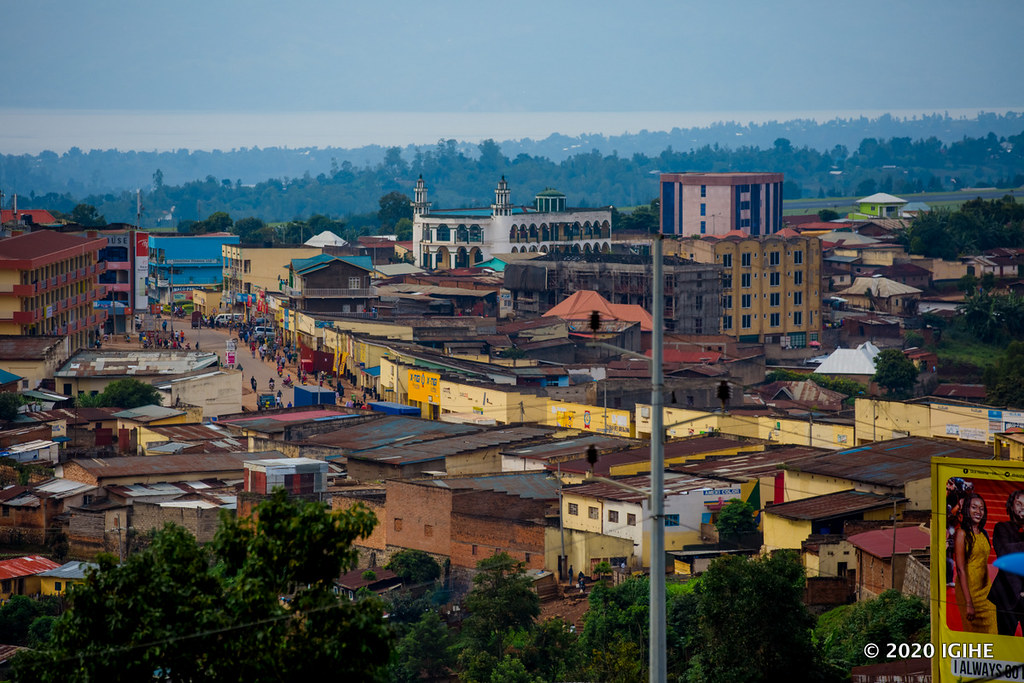
Rusizi District is planning to develop affordable housing in Mushaka, linking residential areas to public transport and essential services, after a new land use plan revealed that more than half of households in the district’s urban areas cannot afford to own homes.
The Rusizi District Land Use Plan 2024–2050, published in the Official Gazette on November 17, 2026, indicates that 55 per cent of households in sectors within the district’s urban boundaries cannot afford homeownership.
The challenge is greater among low-income earners, with 64 per cent of households earning between Rwf0 and Rwf40,000 unable to afford owning a home, according to the plan.
To address the gap, the district intends to develop Mushaka, an area located between Kamembe town and Bugarama, into a transit-oriented centre combining affordable housing with public transport, commercial facilities and essential services.
The proposed development will include a modern market, an administrative centre, financial services and public transport facilities, with the aim of making housing and daily services more accessible to residents.
Housing in Mushaka will follow the R1A residential model, which provides for different types of homes, including semi-detached houses, single-family townhouses, multi-family houses and other low-rise residential developments.
Under the model, residential plots will cover approximately 300 square metres, supporting a density of between 20 and 30 housing units per hectare. This approach is intended to accommodate more households while making efficient use of available land.
The plan also provides for pedestrian infrastructure along the national road to improve road safety and movement, particularly for schoolchildren and other pedestrians. A bus station and modern commercial and retail facilities are also part of the proposed development.
Rising demand for housing
The proposed investment comes as Rusizi experiences rapid changes in settlement patterns, with more households moving towards urban areas.
According to figures cited in the master plan, Rusizi had 104,937 households in 2022, including 35,056 in urban areas and 69,881 in rural areas.
The number of urban households nearly tripled from 12,976 in 2012, a development the plan partly attributes to migration towards urban centres and the reclassification of settlements following the introduction of rurban centres.
The proportion of households living in rented accommodation also increased from 9.8 per cent in 2012 to 16 per cent in 2022, reflecting changing housing needs as urbanisation continues.
Rusizi projects that it will require 209,365 housing units by 2050. Of these, approximately 114,000 will be needed in the secondary city, 37,700 in rurban centres and more than 57,000 in rural settlements.
The plan identifies the private sector as a key player in meeting the projected demand. However, it notes that private developers have so far struggled to bridge the gap between the availability of housing and what many households can afford.
The proposed development of Mushaka is therefore part of the district’s broader strategy to expand access to affordable housing while supporting urban growth through better-planned residential settlements and access to essential services.