
RNCDA launches campaign to raise awareness of sickle cell disease
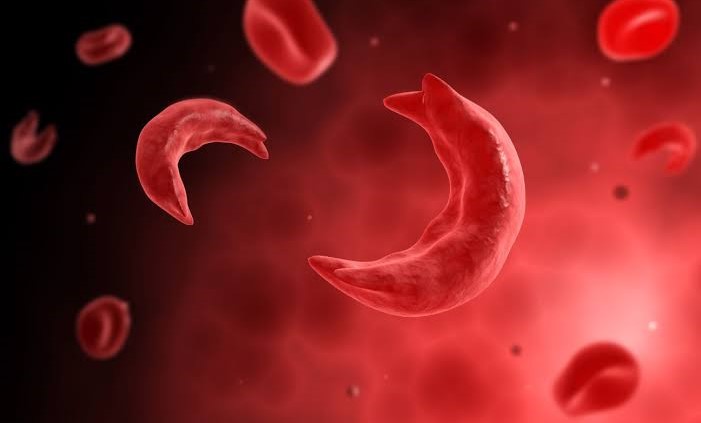
The Rwanda Non-Communicable Diseases Alliance (RNCDA) has launched a campaign to raise awareness of sickle cell disease, a hereditary blood disorder that remains underdiagnosed and poorly understood in Rwanda.
The initiative seeks to address knowledge gaps, counter misconceptions and reduce stigma surrounding the condition by bringing it into national discussions on non-communicable diseases (NCDs).
RNCDA said it was establishing partnerships with media organisations to educate the public, strengthen advocacy and highlight the challenges faced by people living with the disease, their families and caregivers.
Sickle cell disease is a genetic disorder that affects haemoglobin, the protein in red blood cells responsible for carrying oxygen around the body.
In affected people, red blood cells can become rigid and crescent-shaped, making them more likely to obstruct blood flow and break down prematurely. This can cause severe pain, anaemia, organ damage and other potentially life-threatening complications.
Africa bears a heavy burden
Globally, more than 7.7 million people live with sickle cell disease, while more than 500,000 babies are born with the condition every year, nearly 80% of them in sub-Saharan Africa, according to figures cited by RNCDA.
The alliance warned that delayed diagnosis and limited access to essential healthcare interventions contribute to preventable deaths, particularly among children.
Without early diagnosis and appropriate care, including preventive antibiotics, routine immunisation and treatments such as hydroxyurea, children with severe forms of the disease face a significantly increased risk of premature death.
The World Health Organization has highlighted sickle cell disease as a major public health concern, particularly in regions where screening and access to treatment remain limited.
Call for early diagnosis and treatment
RNCDA said no child or adult should suffer or die because of delayed diagnosis, inadequate access to essential medicines or a lack of public awareness.
The alliance is calling for a coordinated response involving government institutions, healthcare professionals, community organisations and the media to improve early detection and ensure equitable access to treatment.
Its campaign will advocate for newborn screening, improved availability of essential medicines and compassionate care for people living with the condition across Rwanda.
RNCDA also urged policymakers, journalists and communities to help spread accurate information about sickle cell disease and translate public awareness into practical action.
The initiative aims to ensure that people affected by the condition are diagnosed earlier, receive appropriate care and face less stigma in their communities.